Ceilings are often overlooked, yet they play a critical role in shaping the aesthetics, comfort, and functionality of our homes and commercial spaces. In Zimbabwe, the evolution of ceilings reflects a journey from simple, functional coverings to intricate, stylish architectural elements that define modern interiors.
Early Days: Function Over Form
Traditionally, ceilings in Zimbabwe were basic, often constructed from timber, reeds, or plaster to protect homes from the elements. Their primary purpose was practical: shielding inhabitants from rain, dust, and extreme temperatures. Decoration was minimal, and craftsmanship focused on durability rather than design.
Mid-Century Developments: Industrial Materials Arrive
By the mid-20th century, concrete, plasterboard, and metal sheets became more common, particularly in urban areas. These materials allowed for smoother finishes and more uniform structures, while still emphasizing durability. Homes and offices began to adopt ceilings that provided better insulation and fire resistance.
Modern Era: Style Meets Function
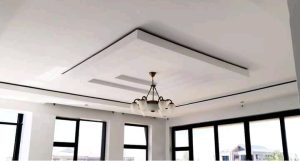
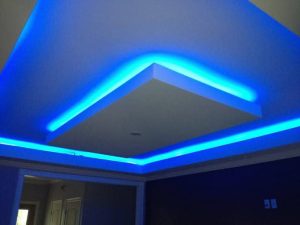
Today, ceilings in Zimbabwe are as much about aesthetics as utility. Homeowners and businesses embrace designs like suspended ceilings, coffered ceilings, and acoustic panels. Decorative elements such as cornices, architraves, and textured finishes are popular, transforming ceilings into true focal points of interiors. Lighting integration—LEDs, pendants, and recessed lights—further enhances the ambiance and functionality of spaces.
Ceilings as Artistry
Modern Zimbabwean ceilings reflect creativity, innovation, and personal style. Ceiling Artisians, for example, specialize in custom designs that merge beauty with durability, ensuring every ceiling not only protects but also elevates the look and feel of the space.
Looking Ahead
As construction trends evolve, ceilings in Zimbabwe will continue to combine functionality, sustainability, and artistry. With new materials, innovative designs, and expert craftsmanship, the future promises ceilings that are not just structural necessities but defining elements of style and comfort.